Lip fillers have become increasingly popular in recent years, with many seeking to enhance their appearance through this non-surgical cosmetic procedure. While the allure of fuller, more defined lips is undeniable, a common question arises: How long do these enhancements actually last?
The answer isn’t as straightforward as one might hope, as several factors come into play. From the type of filler used to individual physiological differences, the longevity of lip fillers can vary markedly.
Understanding these variables is essential for anyone considering this aesthetic treatment and can help set realistic expectations for the journey ahead.
Key Takeaways
- Most hyaluronic acid lip fillers last between 6 to 12 months
- Individual metabolism rates significantly influence filler longevity, with faster metabolisms breaking down fillers more quickly.
- Lifestyle factors, aftercare, and injection technique can impact filler longevity, with proper care potentially extending results.
What are lip fillers?

In the domain of cosmetic enhancements, lip fillers stand out as a popular non-surgical option for those seeking to augment their lip volume and shape.
The procedure involves carefully injecting the filler into specific areas of the lips to enhance their fullness, symmetry, and overall appearance.
These injectable dermal fillers, primarily composed of hyaluronic acid, offer natural-looking results while smoothing surrounding lines.
Popularity and Trends in Lip Filler Procedures
While understanding the composition of lip fillers is fundamental, examining their popularity and current trends provides valuable insight into their widespread appeal.
The surge in lip filler procedures reflects a growing societal acceptance of cosmetic enhancements.
- Over 2.1 million procedures performed in the USA in 2019
- Social media and celebrity influence driving demand
- Advances in filler technology yielding more natural-looking results
This trend aligns with the increasing accessibility of non-surgical aesthetic options, appealing to diverse demographics seeking subtle enhancements.
Hyaluronic Acid Fillers
Hyaluronic acid fillers consistently rank as the most popular choice for lip augmentation due to their versatility and predictable longevity.
These fillers typically last between 6 to 12 months.
Factors influencing longevity include injection site, volume used, and patient lifestyle.
Regular maintenance treatments can optimise and prolong desired results, ensuring consistent lip volume and appearance over time.
Technique of Injection
For ideal results and longevity, the technique of injection plays an essential role in lip filler treatments.
Skilled practitioners employ precise methods to enhance outcomes:
- Superficial injections for texture and hydration
- Deeper injections for volumising and contouring
- Linear threading or cross-hatching for even distribution
Microcannulas can reduce tissue trauma, potentially extending filler duration.
Layering and individualised filler placement optimise both immediate and lasting effects, ensuring patients achieve their desired aesthetic goals within our community of enhanced beauty.
Individual Metabolic Rate
While injection technique plays an essential role in lip filler outcomes, individual metabolic rate emerges as a key factor influencing the longevity of results.
Faster metabolisms typically lead to quicker breakdown of hyaluronic acid fillers, potentially shortening effects to around 6 months. Conversely, slower metabolisms may extend results up to 18 months.
Age, activity level, and overall health contribute to metabolic variations, impacting filler duration.
Regular follow-ups with qualified injectors help assess individual responses and guide maintenance strategies.
Choosing the Right Injector
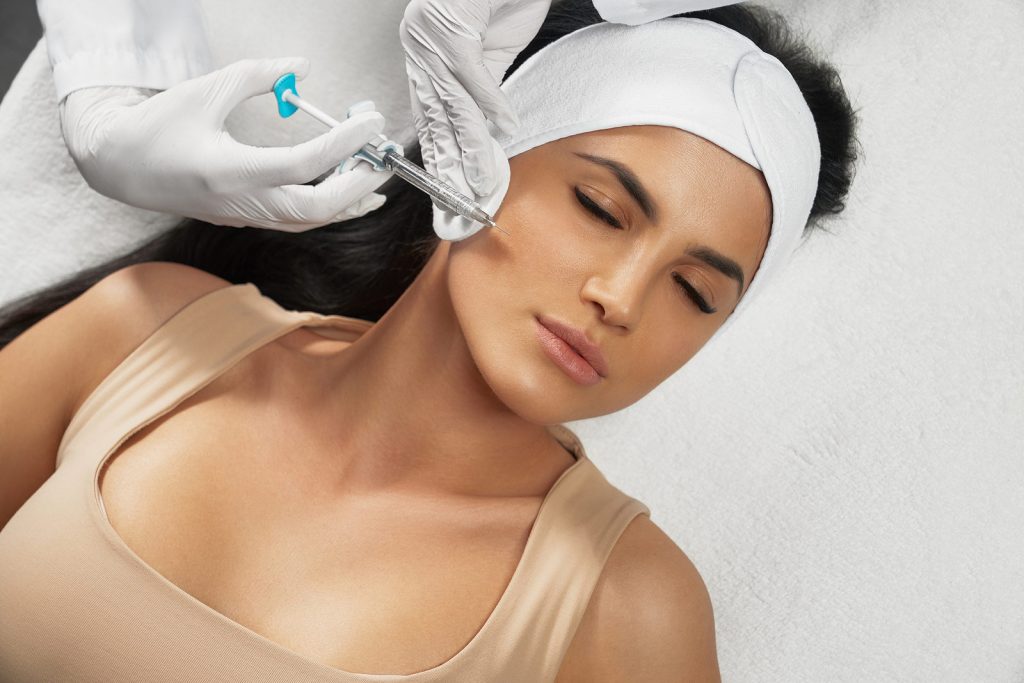
Selecting the right injector is paramount for achieving ideal results with lip fillers. When choosing an injector, consider:
- Board certification in plastic surgery or dermatology
- Extensive experience with lip enhancement procedures
- Positive patient testimonials and before-and-after photos
Opt for a professional who demonstrates expertise in facial anatomy and prioritises patient safety.
Schedule consultations to discuss their approach, available filler options, and individualised treatment plans tailored to your aesthetic goals.
Essential Aftercare Tips
After selecting a qualified injector for your lip filler procedure, proper aftercare becomes the next critical step in ensuring ideal results.
To minimise swelling and bruising, avoid strenuous exercise and alcohol for 24 hours post-treatment.
Lifestyle Adjustments for Longer Lasting Results
To maximise the longevity of lip filler results, certain lifestyle adjustments are essential.
Consider implementing the following:
- Maintain hydration to enhance filler plumpness.
- Protect lips from UV damage with sunblock.
- Limit smoking and excessive alcohol consumption.
A balanced diet rich in vitamins supports skin health, potentially extending filler duration.
Regular follow-ups with a qualified injector for maintenance treatments guarantee ideal results and address longevity concerns.
These adjustments contribute to a more sustained, aesthetic outcome.
Frequently Asked Questions
Do lips return to normal after fillers?
Lips typically return to their pre-treatment state after fillers dissolve. This process occurs gradually over 6-12 months as the body metabolises the hyaluronic acid. Individual factors like metabolism and filler type influence the duration of this change.
How Long Does 0.5 Ml Lip Filler Last?
A 0.5 ml lip filler typically lasts 6 to 12 months, depending on individual factors. This subtle enhancement may require more frequent touch-ups compared to larger volumes. Regular maintenance appointments are recommended to sustain desired results within our aesthetic community.
Do Lip Fillers Ever Fully Go Away?
Lip fillers gradually dissolve over time, typically returning lips to their pre-treatment state within 6-18 months. While some residual volume may persist, the effects eventually dissipate completely. Regular maintenance treatments are recommended for sustained results.
Conclusion
Lip fillers offer a temporary solution for enhancing lip volume and shape, but how long can these effects truly last? The longevity of lip fillers varies, ranging from 6 to 12 months, depending on factors such as filler type, individual metabolism, and lifestyle choices.
To maximise durability, selecting an experienced injector, adhering to aftercare instructions, and maintaining a healthy lifestyle are essential. Regular follow-up treatments can help sustain desired results over time, ensuring continuous satisfaction with the augmented lip appearance.