Lip fillers have become increasingly popular in the domain of cosmetic enhancements, offering a non-surgical solution for those seeking fuller, more defined lips. These injectable treatments primarily utilise hyaluronic acid, a naturally occurring substance in the body, to add volume and shape to the lips.
While the concept may seem straightforward, there’s much more to understand about lip fillers, including their various types, application techniques, and potential effects.
As we explore this topic further, we’ll uncover the intricacies of this aesthetic procedure and why it has captured the attention of countless individuals seeking to enhance their facial features.
Key Takeaways
- Lip fillers are injectable cosmetic treatments used to enhance lip volume and shape.
- They primarily contain hyaluronic acid, a naturally occurring substance in the body.
- Lip fillers can smooth fine lines around the mouth and correct asymmetry.
- Results are temporary, usually lasting 6 to 12 months, depending on the type of filler used.
What Are Lip Fillers and How Do They Work?
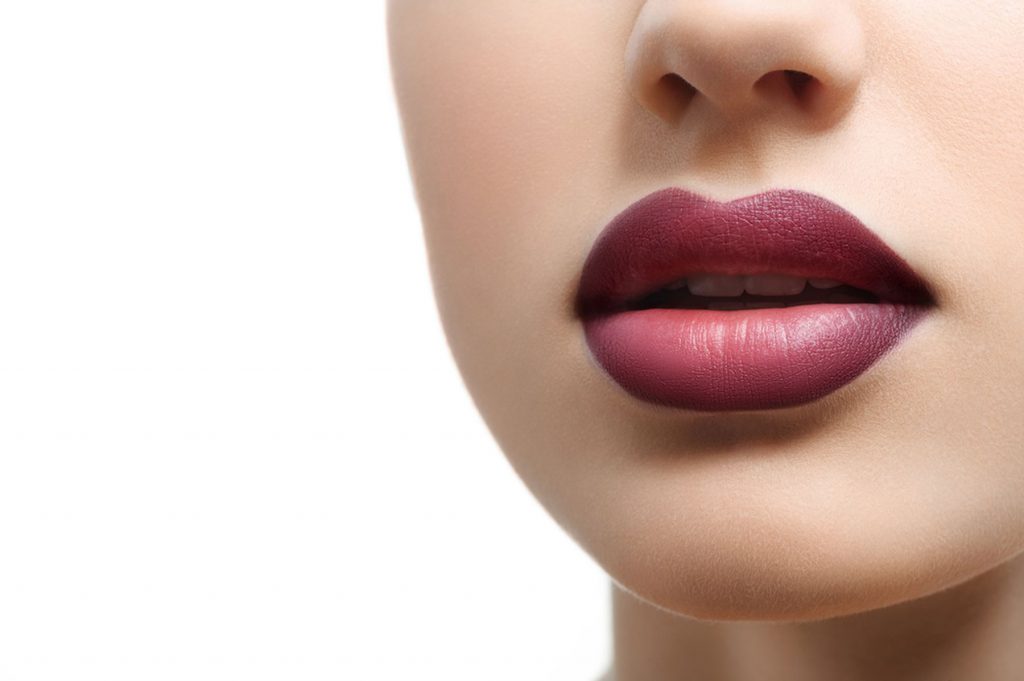
Lip fillers are injectable cosmetic treatments designed to enhance the volume, shape, and definition of the lips.
These dermal fillers primarily contain hyaluronic acid, a naturally occurring substance in the body.
The science behind lip fillers lies in their ability to attract and retain moisture. When injected, the hyaluronic acid gel integrates with existing lip tissue and draws water to the area, creating a plumping effect. This not only increases volume but can also improve lip texture and hydration.
The procedure typically lasts 30 minutes to 2 hours, providing immediate results that can smooth fine lines around the mouth.
Administered by trained professionals, lip fillers offer a temporary solution for those seeking subtle to dramatic lip enhancements.
Why Consider Lip Fillers?
With the rise of aesthetic enhancements in recent years, many individuals are turning to lip fillers as a means of achieving their desired facial appearance.
These treatments offer customisable options to address age-related volume loss, congenital issues, and asymmetry.
Lip fillers can boost self-esteem and body image, providing a fuller, more youthful look.
The minimally invasive nature and temporary results make them an attractive choice for those seeking subtle enhancements.
The Lip Filler Procedure: What to Expect
What can patients anticipate during a lip filler procedure?
The process begins with a consultation to discuss goals and medical history.
A topical anaesthetic is applied before injections, which typically last 30 minutes to 2 hours.
Post-procedure, swelling subsides within 24-48 hours, with full settling taking up to a week.
Follow-up appointments are scheduled after two weeks to assess results and make adjustments.
Does a Lip Filler Injection Hurt a Lot?
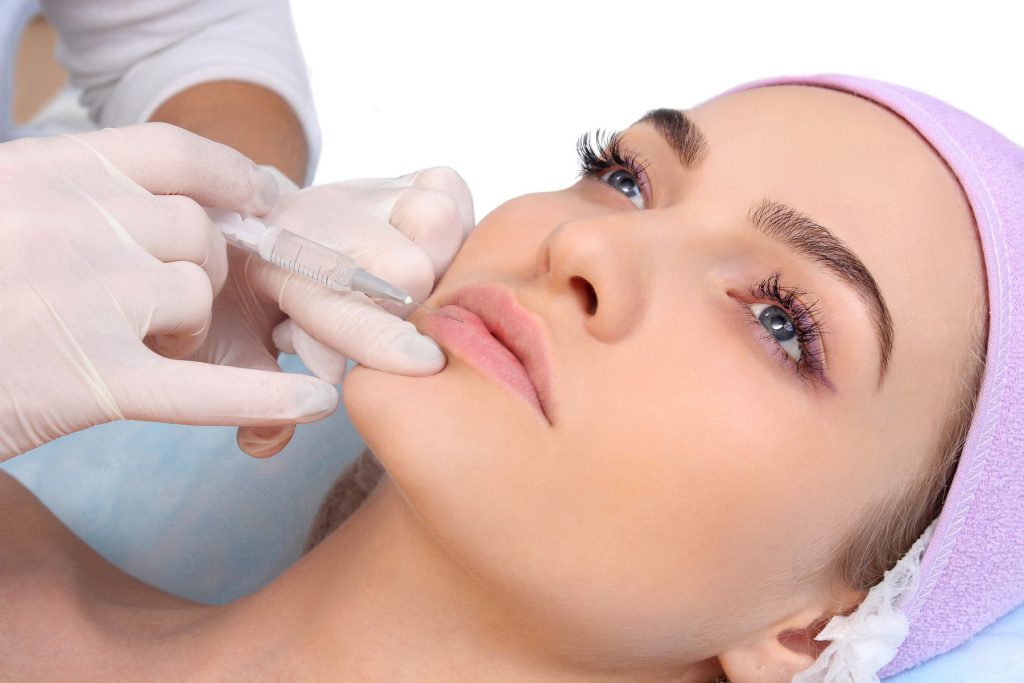
Patients often express concern about the pain associated with lip filler injections. While mild discomfort is common, most individuals find the procedure tolerable.
Injection sites may experience temporary pain, typically subsiding within 24 hours. Many fillers contain lidocaine, a local anesthetic, to minimise discomfort, and topical anaesthetics (i.e., numbing creams) can further enhance comfort.
Swelling and bruising may contribute to post-procedure discomfort, but these effects generally resolve quickly. Individual pain tolerance varies.
Recovery and Aftercare Tips for Lip Fillers
After undergoing lip filler injections, proper recovery and aftercare are essential for ideal results and minimising potential complications.
Patients should avoid touching their lips for 24-48 hours post-procedure and refrain from strenuous activities, makeup application, and alcohol consumption for 24 hours.
Applying intermittent cold compresses can help reduce swelling and bruising.
Full recovery may take up to two weeks, with follow-up appointments typically scheduled at the two-week mark.
How Long Until the Final Results Are Visible?
While aftercare is essential, understanding the timeline for final results is equally important for those undergoing lip filler treatments.
Initial swelling and bruising typically peak within 24-48 hours post-injection. Although some improvement is visible immediately, ideal results emerge after two weeks as the filler settles.
Patients should wait until this point to assess outcomes and discuss any necessary adjustments with their practitioner.
How Long Do Lip Filler Results Last?
Lip filler longevity varies considerably among individuals, with results typically lasting between 6 to 12 months.
Factors influencing duration include the type of filler used, the individual’s metabolism, and lifestyle habits.
The specific type of hyaluronic acid filler used can significantly impact longevity. Some premium brands like Teoxane Volbella or Restylane Kysse are formulated to last longer.
Younger patients may experience shorter-lasting results due to faster metabolism.
Smoking, excessive sun exposure, and intense physical activity may accelerate the breakdown of fillers.
Regular maintenance treatments are often necessary to sustain the desired volume and appearance over time.
Safety and Risks of Lip Fillers
As with any cosmetic procedure, understanding the safety profile and potential risks of lip fillers is essential before undergoing treatment.
Common side effects include temporary swelling, bruising, and tenderness at injection sites.
Serious complications, though rare, can include vascular occlusion and allergic reactions.
Consulting a qualified healthcare provider is vital to ensure safe administration and discuss individual risks.
The FDA has not approved lip fillers for use during pregnancy.
Frequently Asked Questions
Can You Feel Lip Fillers When Kissing?
While individual experiences may vary, most people report minimal impact on kissing sensations after lip fillers. The added volume can be felt, but typically doesn’t interfere considerably with pleasure. Sensation normalises as swelling subsides post-procedure.
What Are Lip Fillers Vs anti wrinkle injections?
Lip fillers and anti wrinkle injections offer distinct enhancements. Fillers volumise and contour lips, while anti wrinkle injections relaxes muscles to soften wrinkles. Both treatments provide temporary results, appealing to those seeking refined, youthful appearances within our beauty-conscious community.
Conclusion
Lip fillers offer a temporary solution for enhancing lip volume and shape, balancing facial aesthetics while boosting confidence. This minimally invasive procedure, utilising hyaluronic acid-based injectables, provides immediate results with potential risks.
Careful consideration of filler types, practitioner expertise, and individual goals is essential for ideal outcomes. Proper aftercare and realistic expectations guarantee satisfactory, albeit temporary, enhancement of the lips’ contours and fullness.