Laser treatments have become increasingly popular for facial rejuvenation, but the post-procedure care is just as vital as the treatment itself. While these innovative procedures can yield impressive results, following proper aftercare guidelines can compromise the outcome and lead to complications.
Understanding what to avoid after laser facial treatment is essential for ideal healing and maximising the procedure’s benefits. From sun exposure to certain skincare products, there are several key factors that patients must be mindful of during the recovery period.
Let’s explore the significant do’s and don’ts that can make all the difference in your laser treatment journey.
Key Takeaways
- Avoid sun exposure for 2-4 weeks to prevent hyperpigmentation and protect healing skin.
- Refrain from using strong soaps, exfoliants, and medicated washes for at least 4 weeks.
- Do not pick or rub treated areas to prevent scarring and reduce the risk of infection.
- Postpone intense physical activities for at least 48 hours to minimise redness and swelling.
- Avoid hot baths, saunas, and make-up application for 1-2 weeks post-treatment.
Essential Post-Laser Care: What to Avoid
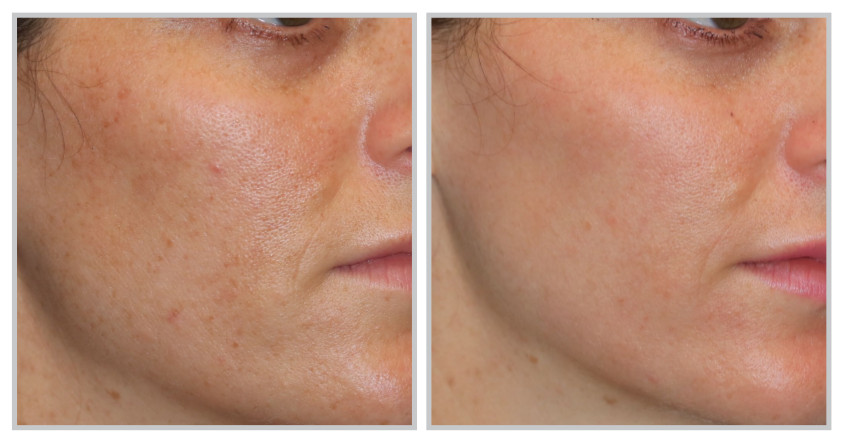
Following laser treatment on the face, it is crucial to steer clear of certain activities and products to ensure ideal healing and results. Here are the post-procedure care do’s and don’ts for optimal results:
Steer Clear of Skin Irritants
Skin irritants pose a significant risk to healing after laser facial treatments.
Avoid strong soaps, medicated washes, and exfoliants for at least 4 weeks post-procedure. Refrain from using hydrogen peroxide, retinoids, and exfoliating products for a minimum of one week.
Stay away from hot baths, saunas, and high-pressure water treatments.
These precautions help minimise irritation, redness, and swelling, ensuring ideal recovery for your sensitive skin.
No Picking or Rubbing of Treated Areas
While avoiding irritants is key, refraining from physically manipulating the treated areas is equally important.
Picking or rubbing can lead to scarring, prolonged healing, and increased infection risk. Allow scabs and crusts to fall off naturally, as disturbing them disrupts the healing process.
Instead of touching, gently cleanse and moisturise as directed by your practitioner. This approach supports ideal recovery and guarantees the best results from your laser treatment.
Avoid Intense Physical Activities
Fitness enthusiasts may need to temporarily pause their routines after undergoing laser facial treatments.
Intense physical activities should be avoided for at least 48 hours post-procedure to minimise swelling and irritation risks.
Vigorous workouts, including running and heavy lifting, can increase blood flow and heat, potentially exacerbating redness and prolonging healing.
High-impact movements should be postponed for a week to protect sensitive skin and ensure ideal recovery.
Sun Exposure: Why It’s a No-Go
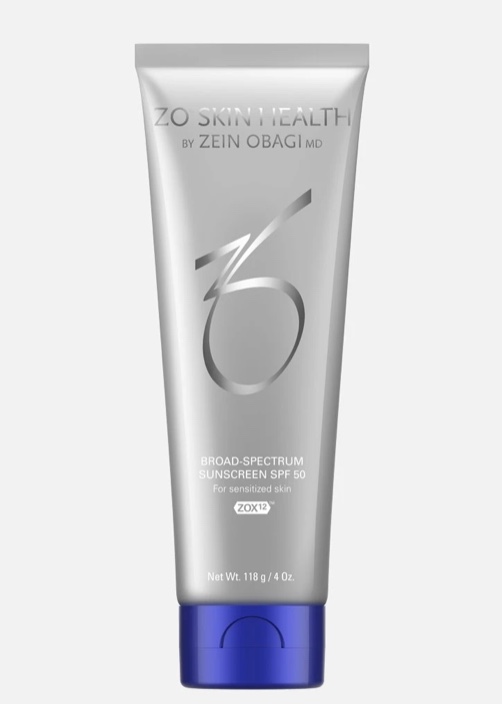
Protecting the treated skin from sun exposure becomes essential after the recovery period from physical activities.
For 2-4 weeks post-treatment, avoid direct sunlight to prevent complications such as hyperpigmentation.
Apply broad-spectrum SPF 30+ sunscreen outdoors every two hours, even on cloudy days.
Wear protective clothing and seek shade to minimise UV exposure.
These precautions are vital for ideal healing and results.
Skipping Moisturisers and Hydration
Maintaining proper hydration is vital after laser treatment on the face.
Skipping moisturisers can lead to excessive dryness, hindering healing and exacerbating irritation.
Applying recommended products, like petroleum jelly, creates a protective barrier against infection and locks in moisture.
The compromised skin barrier increases susceptibility to transepidermal water loss, making consistent hydration essential.
Reintroduce gentle, hydrating cleansers and moisturisers within 24 hours post-treatment to support ideal recovery.
Frequently Asked Questions
What Can You Not Put on Your Face After Laser?
After laser treatment, avoid applying irritants such as AHAs, BHAs, retinol, and fragranced products. Refrain from using harsh soaps, exfoliants, and medicated washes. Steer clear of makeup and hydrogen peroxide. Instead, focus on gentle, hydrating products recommended by your dermatologist.
What Can You Do After Laser Treatment on Your Face?
After facial laser treatment, patients should gently cleanse twice daily, apply recommended moisturisers, use broad-spectrum sunscreen, and utilise cool compresses to support ideal healing and results.
Can I Wash My Face Right After Laser Treatment?
Washing your face immediately after laser treatment is not recommended. Wait at least 24 hours to allow a protective barrier to form. When you wash, use lukewarm water and gentle, fragrance-free cleansers to minimise irritation.
Conclusion
Post-laser facial treatment care necessitates strict adherence to avoidance protocols. Sun exposure, skin irritants, and physical manipulation of treated areas are contraindicated. Strenuous activities must be postponed.
Hydration remains paramount, though moisturisers should be selected judiciously. These measures, akin to the meticulous care of a daguerreotype, guarantee ideal healing and minimise complications.
Vigilant adherence to these guidelines promotes successful outcomes and maintains the treated skin’s integrity, maximising the laser intervention’s efficacy.